The garments industry in Bangladesh has earned global recognition as one of the world’s largest and most competitive apparel manufacturing hubs. With a strong legacy of craftsmanship, cost-effective production, and a skilled workforce, the sector has become the lifeline of Bangladesh’s economy—contributing over 80% of national export earnings and employing millions.
📈 The Rise of the Garments Industry in Bangladesh
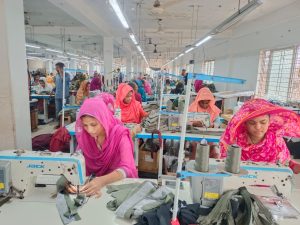
Since the 1980s, the Ready-Made Garments (RMG) industry in Bangladesh has experienced tremendous growth. What started with a few factories now includes over 4,000 garment manufacturing units, exporting to more than 150 countries around the world.
Key milestones include:
-
Second-largest apparel exporter globally, after China.
-
Over $42 billion in annual exports (as of recent years).
-
Employment for more than 4 million people, 60% of whom are women.
🏭 Why Global Brands Choose Bangladesh
Major international brands such as H&M, Zara, Walmart, Uniqlo, and Primark source garments from Bangladesh due to:
-
✅ Competitive labor costs
-
✅ High production capacity
-
✅ Compliance with international labor standards (in certified factories)
-
✅ Focus on sustainable and eco-friendly manufacturing
-
✅ Duty-free access to EU, Canada, UK, and some other markets under GSP schemes
♻️ Sustainability & Compliance Efforts
Bangladesh is home to the world’s highest number of LEED-certified green garment factories. The industry is increasingly adopting:
-
Eco-friendly production processes
-
Water and energy-efficient technologies
-
Social compliance audits
-
Worker safety and training initiatives
🔍 Key Products Manufactured in Bangladesh
Bangladeshi garment factories specialize in a wide range of products:
-
T-shirts
-
Denim jeans
-
Polo shirts
-
Hoodies & sweatshirts
-
Knitwear
-
Woven shirts
-
Sportswear and activewear
-
Children’s clothing
-
Undergarments and lingerie
🚀 Challenges & Opportunities Ahead
While the garments industry in Bangladesh continues to grow, it also faces several challenges:
Challenges:
-
Rising production costs
-
Dependence on imported raw materials (like cotton and dyes)
-
Global market competition
-
Pressure to improve wages and working conditions
Opportunities:
-
Moving up the value chain with high-end fashion and technical textiles
-
Diversification into new markets (Africa, Latin America)
-
Digital transformation and Industry 4.0
-
Strengthening backward linkages (local textile, trims, and accessories)
🔚 Conclusion
The garments industry in Bangladesh is more than just a business—it’s a powerful driver of social and economic transformation. As it adapts to modern challenges and embraces sustainability, innovation, and technology, it remains well-positioned to lead the global apparel market for years to come.
Are you looking to source high-quality garments from Bangladesh?
✅ Contact us today to discuss manufacturing partnerships, custom orders, or sourcing solutions.
✅ Suggested SEO Tags:
garments industry in Bangladesh, RMG sector Bangladesh, Bangladesh clothing manufacturers, Bangladesh apparel exports, garment factories Bangladesh, eco-friendly garment manufacturing, Bangladesh textile industry, ready-made garments Bangladesh